PROJECT:

PROJECT:

SquareMeal: Student Food Access Platform

SquareMeal: Student Food Access Platform

CONTEXT:

CONTEXT:

Social Impact Product Design for an Enactus Humber Initiative

Social Impact Product Design for an Enactus Humber Initiative

TEAM MEMBERS:

TEAM MEMBERS:

Aizhan, Wendy, Bharatie

Aizhan, Wendy, Bharatie

ROLE & YEAR:

ROLE & YEAR:

UX Researcher & Product Designer, 2024

UX Researcher & Product Designer, 2024

TOOLS & METHODS:

TOOLS & METHODS:

Focus Group, Persona, Journey Mapping, Information Architecture, User Flows, Responsive Prototyping, Figma

Focus Group, Persona, Journey Mapping, Information Architecture, User Flows, Responsive Prototyping, Figma

CLIENT:

CLIENT:

Enactus Humber College

Enactus Humber College

SquareMeal

SquareMeal

SquareMeal

    problem.

    Many students face food insecurity, while restaurants and food providers discard large amounts of edible surplus food. SquareMeal aimed to bridge this gap by creating a dignified and accessible way for students to find affordable meals while helping local food providers reduce waste.

    SquareMeal creates a two-sided platform that connects students with surplus food from restaurants, food banks, and other local providers. Students can discover and reserve affordable meals through an accessible mobile and desktop experience, while participating organizations can list available food and manage requests efficiently.

    solution.

    To shape the experience around real student needs, we conducted a focus group with eight Humber College students. Their perspectives helped us understand expectations around affordability, trust, convenience, and dignity, informing the platform’s information architecture, user flows, and interface design.

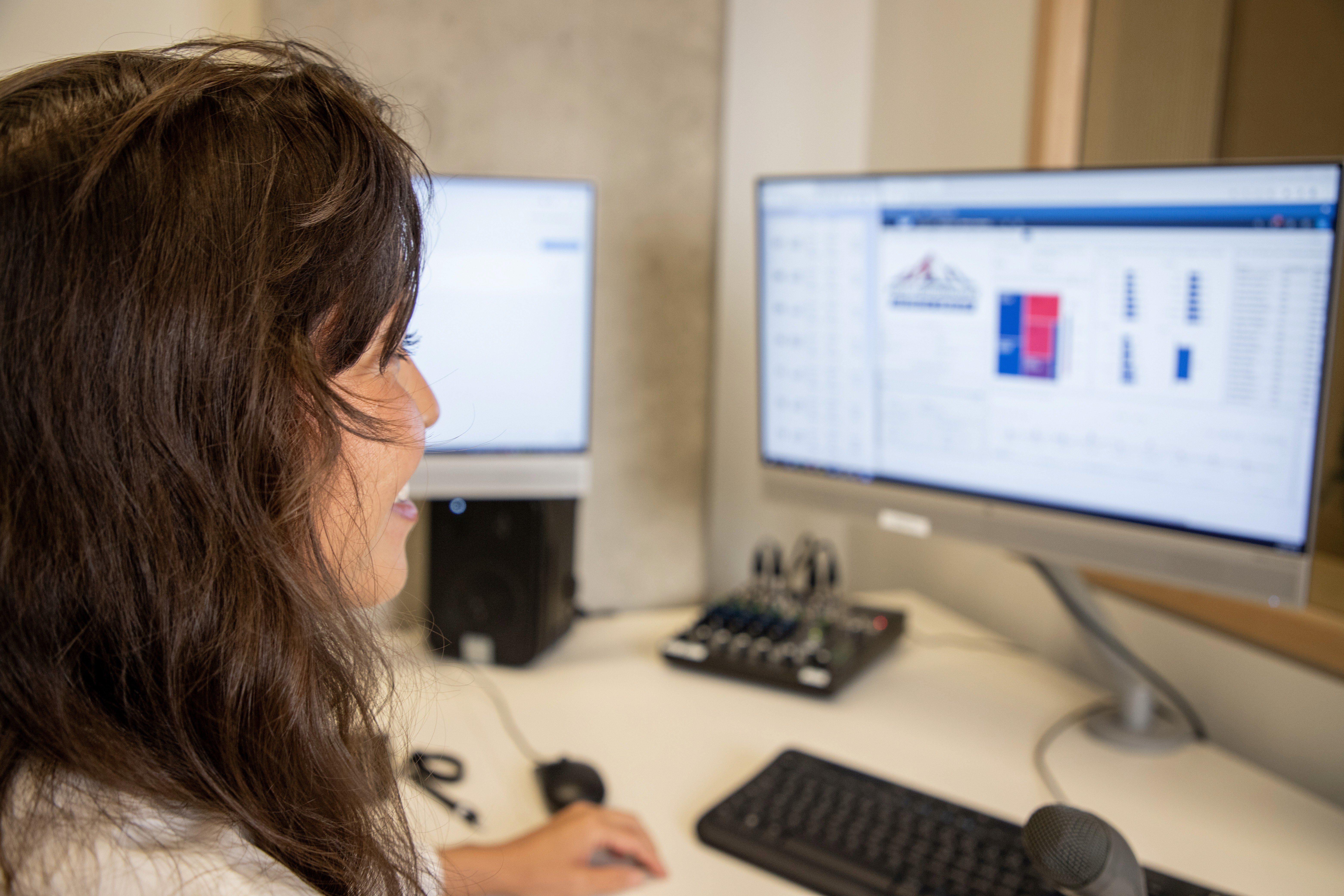
    Below is the representative image of a student focus-group session.

    from focus group to insights.
    Following the focus group, we organized the participants’ observations into a structured affinity table, grouping recurring needs, pain points, expectations, and emotional concerns.

    This synthesis helped us identify patterns around affordability, dietary preferences, trust, convenience, and the desire to access food without stigma.

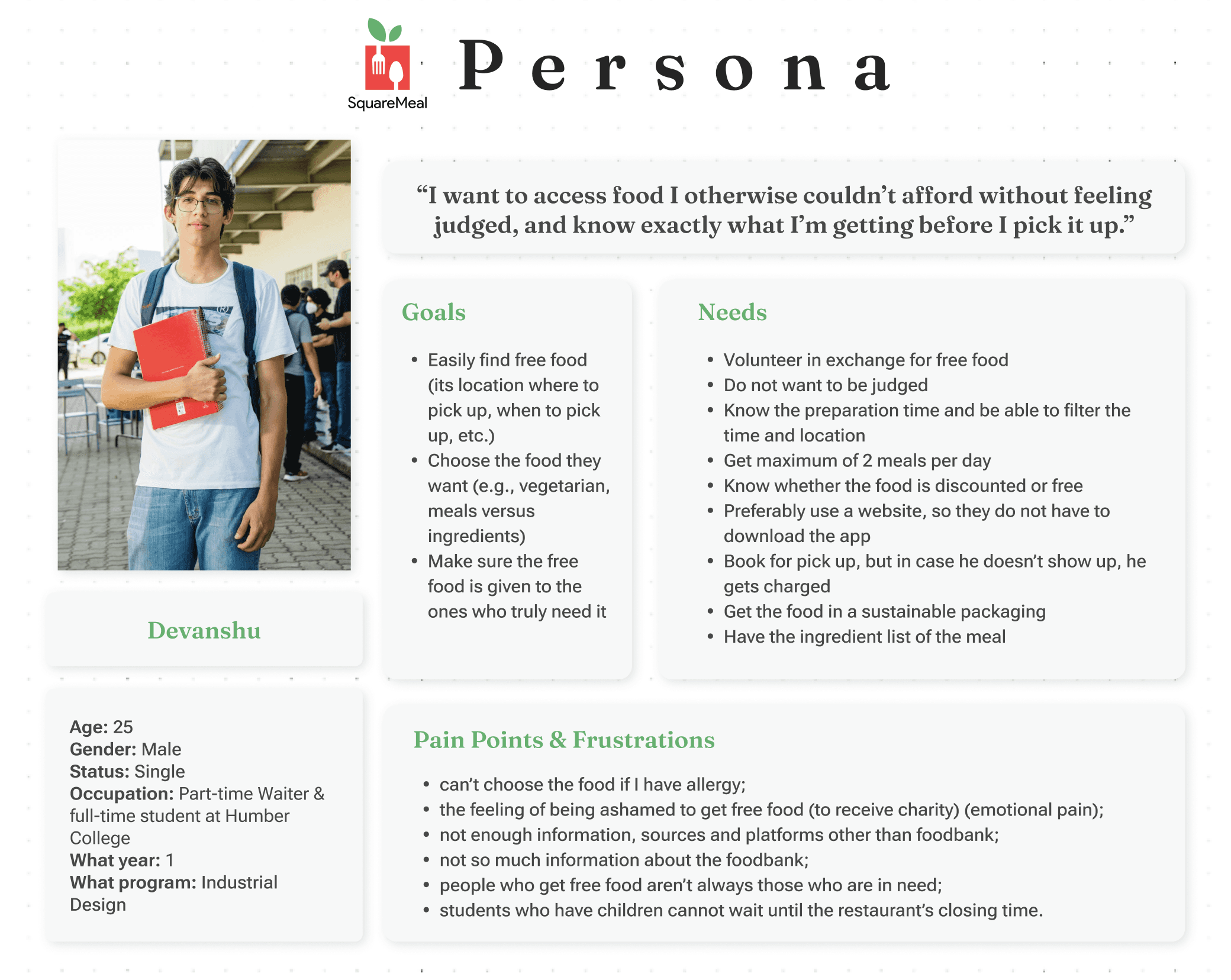
    These insights informed the student persona and journey map, grounding our design decisions in the experiences shared by Humber College students.

    Following the focus group, we organized the participants’ observations into a structured affinity table, grouping recurring needs, pain points, expectations, and emotional concerns.

    This synthesis helped us identify patterns around affordability, dietary preferences, trust, convenience, and the desire to access food without stigma.

    These insights informed the student persona and journey map, grounding our design decisions in the experiences shared by Humber College students.

    information architecture & user flow.

    We used card sorting to organize the platform’s content around users’ expectations and create a clear information architecture for both sides of the service.

    We then mapped the key journeys for students discovering and reserving meals, as well as for restaurants uploading surplus food and managing bookings.

    This process helped define the platform’s navigation, features, and interactions before moving into detailed interface design.

    design system & interface design:

    We developed a reusable design system to create a consistent and approachable experience across mobile and desktop. The visual direction combines an accessible colour palette, clear typography, recognizable icons, and flexible components for forms, filters, buttons, meal cards, and carousels.

    Interactive states and responsive layouts were designed to support essential tasks across both sides of the platform from discovering and reserving meals to uploading available food and managing bookings.

    Reusable components helped us maintain consistency while adapting the experience to different screen sizes and user needs.

    takeaways & lessons learned:

    Research requires thoughtful synthesis. The focus group produced many individual observations, but organizing them into themes helped us distinguish isolated comments from recurring user needs. It also allowed us to translate qualitative data into practical design priorities.

    Dignity is part of the user experience. Designing for food insecurity required sensitivity beyond usability. The experience needed to feel welcoming and empowering, without making students feel judged or defined by their financial circumstances.

    Two-sided products require connected journeys. SquareMeal had to serve students and food providers simultaneously. Mapping both perspectives revealed how decisions related to availability, booking limits, collection times, and dietary information affected both sides of the service.

    Collaboration strengthened the outcome. Working closely with Wendy and the Enactus Humber team taught me how to share design ownership, bring different perspectives together, and maintain consistency across research, information architecture, and responsive interface design.

    Research requires thoughtful synthesis. The focus group produced many individual observations, but organizing them into themes helped us distinguish isolated comments from recurring user needs. It also allowed us to translate qualitative data into practical design priorities.

    Dignity is part of the user experience. Designing for food insecurity required sensitivity beyond usability. The experience needed to feel welcoming and empowering, without making students feel judged or defined by their financial circumstances.

    Two-sided products require connected journeys. SquareMeal had to serve students and food providers simultaneously. Mapping both perspectives revealed how decisions related to availability, booking limits, collection times, and dietary information affected both sides of the service.

    Collaboration strengthened the outcome. Working closely with Wendy and the Enactus Humber team taught me how to share design ownership, bring different perspectives together, and maintain consistency across research, information architecture, and responsive interface design.